

Introduction
In today’s fast-evolving digital world, mobile apps are at the core of business innovation. But behind every successful app, there are dozens that fail — not due to lack of effort, but because of common, avoidable mistakes. Whether you’re a startup founder, a solo developer, or an enterprise tech leader, understanding these pitfalls is crucial for success in 2025 and beyond.
This guide uncovers the top 10 mistakes mobile app developers frequently make, complete with practical tips, code examples, real-world case studies, and visual illustrations to help you sidestep these traps and build apps that users love.
1. Ignoring User Research: Building for Assumptions, Not Real Needs
Skipping real user research leads to apps nobody actually wants. Many startups pour thousands into building products based solely on founders’ assumptions. Instead, modern app success demands early validation through surveys, interviews, and MVP tests.
Case Study: Dropbox first launched a simple explainer video, gauging demand before coding the real app.
Tip: Create basic wireframes and test them with 10–15 users before starting development.
2. Disregarding Platform-Specific Guidelines
Developers often build a single UI for both iOS and Android, ignoring distinct platform expectations. This mistake results in poor UX and app store rejections.
Example:
On Android, users expect a back button hardware behavior; on iOS, they expect swipe gestures.


3. Feature Overload: Less is More
Trying to deliver every feature at launch dilutes your app’s core value.
Case Study:
Instagram started with just photo sharing — no Stories, Reels, or DMs.
Only after mastering one feature did they expand.
Quick Tip:
Use a “Feature Priority Matrix” to decide must-have vs nice-to-have.
4. Neglecting Performance Optimization
Apps that freeze, lag, or overheat devices get uninstalled.
Performance optimization must start early — not during launch week.


Case Study:
Slack dramatically improved mobile retention by reducing app launch time by 33% through background lazy loading.
5. Poor Onboarding: Losing Users in the First Minute
First impressions are critical.
An onboarding that feels like a signup exam drives users away.
Best Practice:
Show app value immediately — don’t hide it behind account creation walls.
Case Study:
Duolingo lets you start learning immediately and only asks for sign-up after a few lessons.
6. Overlooking Security and Privacy
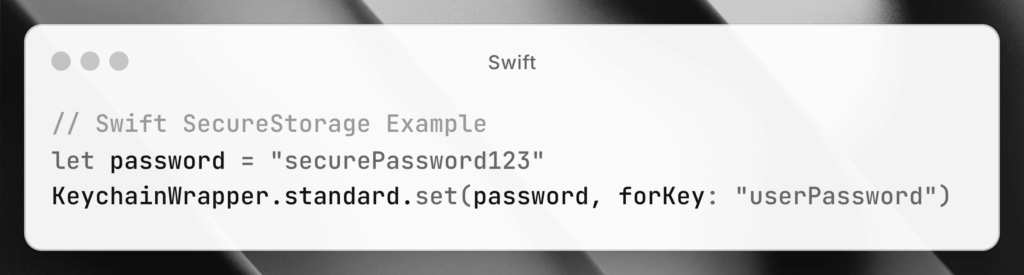
Security isn’t optional anymore — it’s mandatory.
Apps must implement encryption, secure authentication, and proper permission handling.

7. Ignoring Offline Functionality
Many apps crash or stall without internet.
Good apps degrade gracefully during poor network conditions.
Case Study:
Google Maps Offline Mode became a huge hit in areas with low network coverage, leading to a 12% increase in global usage.

8. Skipping Automated Testing
Skipping tests to “save time” usually causes catastrophic crashes later.
Modern mobile apps must have unit tests, UI tests, and integration tests.


Case Study:
Netflix mobile app team relies heavily on automation pipelines — reducing post-release bug rates by 50%.
9. Not Leveraging Analytics and Feedback Loops
Post-launch analytics are key to app growth.
Developers must track retention, crash reports, user behavior, and feature adoption.
Best Practice:
Integrate tools like Firebase Analytics, Amplitude, or Mixpanel from Day 1.

10. Using Outdated Technology Stacks
Building with outdated frameworks leads to tech debt.
Modern tech like SwiftUI, Jetpack Compose, and cross-platform Flutter 4.0 makes apps faster to build and easier to maintain.
Example: SwiftUI vs UIKit


Case Study:
A fintech startup switched from UIKit to SwiftUI and reduced feature release times by 40%.
Conclusion
Building a successful mobile app in 2025 isn’t just about coding faster or adding more features — it’s about being smarter and more strategic.
By avoiding these 10 common mistakes, developers can save countless hours of rework, drastically improve user satisfaction, and position their apps for real success in the highly competitive marketplace. Focus on user needs, optimize performance early, respect platform guidelines, and always prioritize security and testing.
Remember: great apps aren’t built overnight — they are crafted carefully with continuous learning and user-centered thinking. If you implement these best practices from the very beginning, you won’t just build an app — you’ll build a product that truly impacts lives.

💻 Expert IT Services for Businesses 🌐 Empowering Your Digital Journey 👥 Trusted by Clients Worldwide 🌐 Serving Businesses of All Sizes